
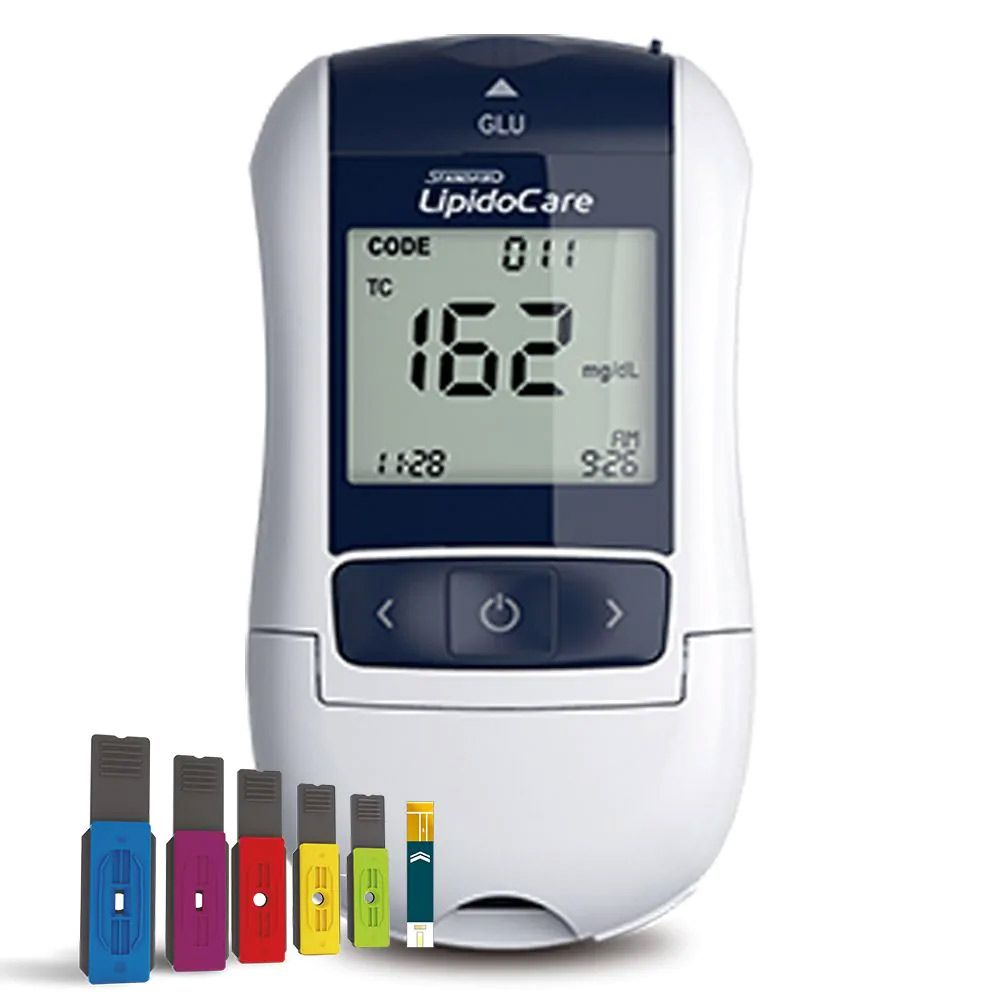
LipidoCare Meter Starter Packs
The STANDARD LipidoCare Lipid Test system should be only used with the STANDARD LipidoCare Lipid Test Strip and Glucose Test Strip. The system is suitable for professional use as well as for self-testing and is not intended to be used for the diagnosis of diabetes or cholesterol-related cases.
We are offering fixed pack options for you to choose from giving you the flexibility to select the best testing options for the condition you are looking to monitor.
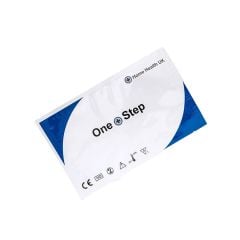
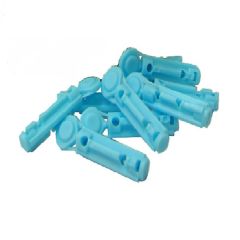
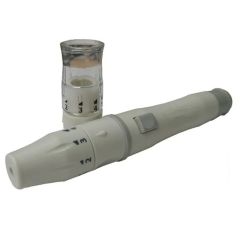
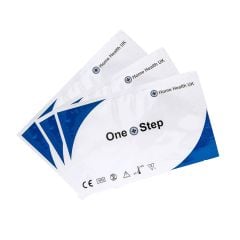
Option 1: Glucose Starter Kit - Meter + 50 Glucose Strips + Device & Lancets (Price: €128.68)
Option 2: Detailed Cholesterol Starter - Meter + 10 Lipid Profile Strips + Device & Lancets (Price: €159.36)
Option 3: Basic Cholesterol Starter - Meter + 25 Cholesterol Strips + Device & Lancets (Price: €168.72)
Option 4: Basic Cholesterol & Glucose Starter - Meter + 25 Cholesterol Strips + 50 Glucose Strips + Device & Lancets (Price: €176.39)
Option 5: Detailed & Basic Cholesterol Starter - Meter + 25 Cholesterol Strips + 10 Lipid Profile Strips + Device & Lancets (Price: €207.07)
Option 6: Detailed Cholesterol & Glucose Starter - Meter + 10 Lipid Profile Strips + 50 Glucose Strips + Device & Lancets (Price: €167.03)
Option 7: Detailed & Basic Cholesterol & Glucose Starter - Meter + 25 Cholesterol, 10 Lipid Profile & 50 Glucose Strips + Device & Lancets (Price: €214.74)
*****Please see information further down the page below in relation to expiration dates on strips*****
Lipidocare Cholesterol Monitor: Detailed Summary
The Lipidocare Cholesterol Monitor is a compact, portable device designed to measure cholesterol levels in the blood. It provides quick and accurate results, making it suitable for both medical professionals and the general public who want to monitor their cholesterol levels at home. This device is CE-marked as a medical device, ensuring compliance with European safety and performance standards.
Before you buy Lipidocare Monitor
Our Lipidocare Cholesterol Monitor is used by both medical professionals and individuals looking to manage their cholesterol levels. The device is CE-marked as a medical device, ensuring its compliance with the highest standards of safety and accuracy.
While the Lipidocare is designed to be user-friendly and delivers quick results, it’s essential to understand the correct technique for obtaining accurate measurements. We encourage all users to take time to educate themselves on how to properly use the device.
If you find yourself struggling with technology— and do not use a smartphone, iPad, or tablet—it’s likely you may encounter challenges operating the Lipidocare monitor. In this case, we advise you not to purchase the device or please get in touch with us to discuss your requirements before you purchase. You can also review a simple video at the bottom of this page to see the lipidocare monitor in action.
How It Works
The Lipidocare Cholesterol Monitor operates using capillary blood sampling. Users need to:
- Prick their finger with a lancet provided in the kit to extract a small drop of blood.
- Place the blood sample on a disposable test strip, which is then inserted into the device.
- The device analyzes the sample and displays results in just a few minutes, showing key cholesterol markers.
It can measure:
- Total cholesterol (TC)
- High-density lipoprotein (HDL) cholesterol
- Low-density lipoprotein (LDL) cholesterol
- Triglycerides
The Lipidocare monitor uses biosensor technology to detect the cholesterol levels. Results are displayed clearly on the screen, making it easy for users to interpret. For healthcare professionals, the data can be used as a part of routine health checks, and patients can use it to track progress if they're managing cholesterol levels through diet, lifestyle changes, or medication.
Suitable Users
The Lipidocare Cholesterol Monitor is suitable for:
- Medical professionals: Doctors, nurses, and clinics can use it for point-of-care testing in medical settings.
- Individuals with high cholesterol: It is ideal for those managing conditions like hypercholesterolemia, heart disease, or diabetes.
- General public: Anyone interested in maintaining a regular check on their cholesterol levels, especially those at risk of cardiovascular diseases due to family history, age, diet, or lifestyle factors.
It's user-friendly, but those less familiar with technology or with difficulties using smartphones or tablets may need assistance learning how to use it properly.
LDL vs. HDL Cholesterol
There are two primary types of cholesterol measured by the Lipidocare monitor—LDL and HDL:
- LDL Cholesterol (Low-Density Lipoprotein):
- Often referred to as "bad cholesterol."
- Function: LDL carries cholesterol to the cells that need it. However, when there is too much LDL, it can build up in the walls of arteries, forming plaques. This can lead to a narrowing of the arteries and increase the risk of heart attack, stroke, and atherosclerosis.
- Healthy Levels: It's important to keep LDL levels low to minimize the risk of heart disease.
- Known as "good cholesterol."
- Function: HDL helps remove excess cholesterol from the bloodstream, transporting it to the liver, where it is broken down and removed from the body. This process helps keep arteries clear.
- Healthy Levels: Higher levels of HDL are associated with a lower risk of heart disease, as it helps protect against cholesterol build-up.
The balance between LDL and HDL cholesterol is critical for maintaining heart health. The Lipidocare Cholesterol Monitor provides readings of both, allowing users to understand their cholesterol profile and make informed decisions about their health.
Clinical Trials
In clinical trials, the Lipidocare Cholesterol Monitor was typically measured against standard laboratory-based enzymatic methods or bench-top analyzers used in medical labs. These are the gold standard for cholesterol and lipid testing and are widely used to ensure the accuracy and reliability of cholesterol measurements. The trials would have compared Lipidocare's readings of:
- Total Cholesterol (TC)
- High-Density Lipoprotein (HDL) Cholesterol
- Low-Density Lipoprotein (LDL) Cholesterol
- Triglycerides
against those obtained through established, clinically validated methods such as:
- Enzymatic colorimetric assays, which are used in labs to measure cholesterol levels by breaking down lipids into measurable components and quantifying them via color change.
- Reference laboratory analyzers like the Cobas, Roche, or Beckman Coulter lipid analyzers, which are trusted in clinical settings worldwide.
The Lipidocare system would have been assessed for its correlation with these lab methods, with statistical analysis showing how closely its results match. The typical margin of error (±5%) is acceptable in point-of-care testing but would need to demonstrate consistency and repeatability in results.
These comparisons are critical to ensuring that the Lipidocare monitor can provide reliable data for clinical decision-making, even when used in non-laboratory settings, such as at home or in clinics.
Specification
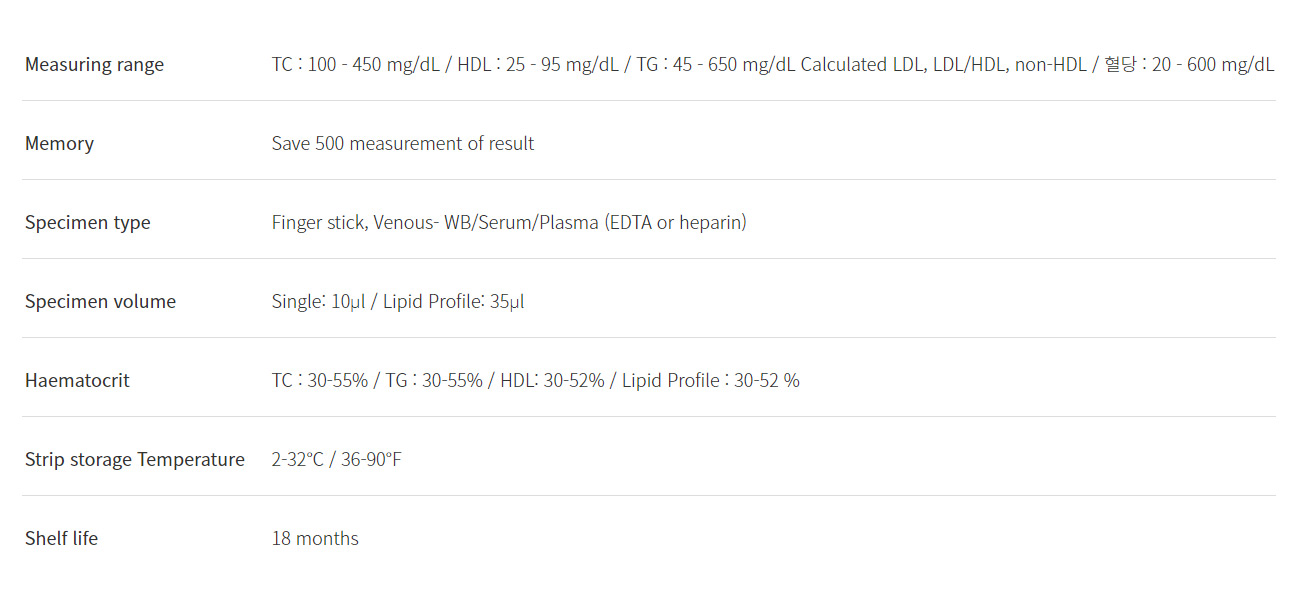
Please note while on average we have an expiry of 6 - 8 months or longer on our strips. the minimum guaranteed expiry on strips we have is 3 months - if you require a longer expiry please contact us in advance of purchase so that we can give you the exact expiry on your strips. Please note once strips are opened they cannot be returned due to the nature of the product ( this does not effect your statutory rights)
-
 Clearblue Easy Pregnancy Test - 1 TestOld Price: €11.50 €8.85
 -
 Sona Folic Acid (90 Tablets)Old Price: €9.20 €8.95